I Switched to the 3I G10 Robot Vacuum and Here is What Happened
In the rapidly evolving landscape of home automation, the floor cleaning industry has witnessed a paradigm shift from simple disc-shaped sweepers to highly sophisticated intelligent appliances. The recent introduction of the 3I G10 into the premium robot vacuum market has stirred significant interest among tech enthusiasts and homeowners alike. For those seeking to reclaim their time and maintain a pristine living environment, the transition to such a high-end device is rarely just about a new gadget; it is about an overhaul of domestic maintenance routines. This article examines the comprehensive shift in the cleaning experience when integrating the 3I G10 into a modern household, analyzing its technical performance, innovative water-management systems, and the practical realities of autonomous sanitation.
The Evolution of Autonomous Cleaning
For most early adopters of robotic vacuums, the journey began with devices that relied on "bump and turn" logic—mechanical bumper sensors that redirected the machine only after physical contact with a wall or chair leg. As the industry matured, Laser Distance Sensors (LDS) and LiDAR became the gold standard, allowing robots to map rooms with centimeter-level precision. However, even with advanced sight, two major pain points remained: the physical labor of refilling water tanks and the hygienic concern of dirty mop pads sitting against clean floors. The 3I G10 represents the latest attempt to bridge these gaps through a system focused on total autonomy, particularly in its management of fluids and self-cleaning cycles.
Advanced Hardware and Technical Specifications
The 3I G10 is built on a robust chassis designed to handle multi-surface environments, but its most striking hardware feature is the integration of its docking station. This base is not merely a charging pad; it is a complex chemical and fluid processing center. At the heart of the device's cleaning power is a high-torque motor capable of significant suction pressure, ensuring that fine dust, pet hair, and heavier debris are pulled from deep within carpet fibers. On hard floors, the robot employs a dual-brush system that works in tandem with a high-speed rotating mop mechanism.
Unlike traditional robot mops that simply drag a damp cloth, the G10 utilizes active pressure and high-frequency movement to scrub away stubborn stains. This hardware choice reflects a deep understanding of consumer needs—specifically the need for a device that replicates the physical scrubbing motion of a human-operated mop. Below is a comparison detailing how the G10 stacks up against generalized categories of contemporary robotic cleaners.
| Feature | Standard Robot Vacuums | Premium Hybrid Models | 3I G10 Intelligence Series |
|---|---|---|---|
| Navigation Type | Basic Gyroscope/LDS | LiDAR + Basic AI | Dual-Light LiDAR + AI Vision |
| Mopping Tech | Passive Plate/Gravity Feed | Vibrating/Rotating Pads | High-Torque Managed Scrubbing |
| Water Management | Manual Fill | Automatic Base Tank Fill | Integrated Recycling & Sterilization |
| Suction Power | 2000 - 3000 Pa | 4000 - 5500 Pa | 6000+ Pa Ultra-Suction |
| Obstacle Avoidance | Mechanical Bumper | Infrared Sensors | Structured Light & AI Mapping |
Real-World Performance: The Transition Period
The first week after switching to the 3I G10 is typically a period of observation for the user. Mapping a standard 2,000-square-foot home usually takes less than thirty minutes. The G10 employs a sophisticated algorithm that categorizes rooms based on floor type. During the initial runs, the most noticeable difference from lower-tier models is the silence of the navigation. The robot moves with a level of intentionality that suggests it "knows" precisely where it is going, rather than searching for the edge of the room. This precision reduces the cleaning time per square meter, as the robot minimizes overlapping paths except where the user has requested "deep clean" zones.
When it comes to the suction capability, the G10 handles transitional surfaces—such as the move from hardwood to thick area rugs—with seamless motor adjustment. Users often find that the dustbin remains surprisingly full during the first few days of use, even if they had previously vacuumed with a manual upright. This is attributed to the G10’s side-sweeping brushes and its ability to maintain constant contact with the floor surface, capturing the micro-dust that often settles into the grain of the flooring.
The Revolutionary Water System
One of the most persistent hurdles in robot mop adoption is the "stinky mop" syndrome. When a robot uses water to clean, that water becomes contaminated, and if not handled correctly by the base station, it leads to bacterial growth and unpleasant odors. The 3I G10 addresses this through a proprietary water recycling and self-sterilization cycle. During the cleaning process, the robot returns to the base station periodically to wash its mop pads. The dirty water is processed through a filtration system, and the pads are dried with high-temperature air to prevent mold.
For the homeowner, this means the frequency of manual maintenance is drastically reduced. In a typical household, the user may only need to interact with the base station every few weeks rather than every cleaning cycle. This shift from "daily chore" to "monthly check-in" is the core value proposition of the G10. The water management system also includes an electrolyte-based sterilization module that ensures the water being used on the floors is biologically clean, providing peace of mind for families with crawling toddlers or pets.
Find top-rated Electronics products at great prices.
Shop Amazon →Pros and Cons Analysis
While the 3I G10 sits at the pinnacle of current technology, every device has trade-offs that a prospective buyer must consider. An honest editorial assessment requires looking at both the engineering triumphs and the practical limitations of such a complex machine.
- Pro: Unmatched Autonomy. The combination of self-emptying dustbins and advanced water management means the robot can operate for extended periods without human intervention.
- Pro: Precision Navigation. The AI-driven obstacle avoidance is highly effective at identifying small objects like charging cables, socks, and pet waste, preventing the "smear" disasters common with older models.
- Pro: Deep Cleaning Capabilities. The high-pressure mopping system actually removes dried spills (like coffee or mud) rather than just spreading them around.
- Pro: App Customization. The software interface allows for incredibly granular control, including "no-go" zones, scheduled cleaning for specific rooms, and varying suction levels for different times of day.
- Con: Base Station Footprint. Because the docking station houses large water tanks and dust collection systems, it requires a significant amount of floor space and needs to be positioned near a power outlet with clearance on both sides.
- Con: Initial Investment. The high-end technology comes at a premium price point, making it a significant household investment compared to entry-level alternatives.
- Con: Complexity. With more moving parts and sensors, the device requires users to be somewhat tech-savvy to troubleshoot connectivity issues or sensor maintenance.
The AI and Software Experience
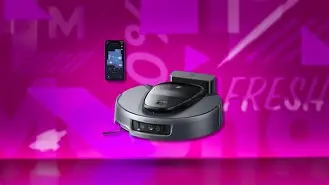
Connectivity is often the "make or break" feature of modern electronics. Throughout the test period, the 3I G10’s integration with home Wi-Fi networks proved stable. The accompanying application provides a real-time heatmap of the cleaning progress, allowing users to see exactly where the robot has been and where it is headed. One particularly impressive feature is the "Object Identification Log." If the robot encounters an obstacle that it cannot safely navigate around, it takes a snapshot and pins it to the digital map, alerting the user to clear the area for a future run.
Pet Ownership
For pet owners, the G10 is almost transformative. The constant shedding of fur requires daily vacuuming, which a human rarely has time for. The G10 can be scheduled to run every morning at 3:00 AM, ensuring that pet dander and hair never have the chance to accumulate. The AI vision system is also a critical safety feature for pet owners, as it can detect and avoid accidental pet messes, saving the owner from a catastrophic cleaning nightmare.
Maintenance Preferences
There are two types of robot vacuum users: those who enjoy the "hobby" of maintaining the machine and those who want to forget it exists. The 3I G10 is designed for the latter. If your goal is to minimize the time spent touching the vacuum, the G10’s self-cleaning base station makes it one of the best options on the market. However, if you are on a strict budget and don't mind emptying a dustbin every two days, you might find the premium for the G10's autonomy unnecessary.
Shop the latest Electronics picks on Amazon.
See Deals →Hygienic Standards and Allergic Considerations
Beyond the visible cleanliness of the floor, the 3I G10 contributes significantly to indoor air quality. Standard vacuums often kick up fine dust particles as they exhaust air. The G10 utilizes a high-efficiency filtration system that traps allergens, pet dander, and pollen. For individuals suffering from seasonal allergies or asthma, the ability of the robot to damp-mop surfaces daily is a major benefit, as it "locks" dust to the mop pad rather than allowing it to become airborne. The self-cleaning cycle at the base station then flushes these allergens into a sealed tank, minimizing human exposure to dust during the maintenance process.
Economic Longevity and Value Mapping
When analyzing the cost of a premium electronic device like the 3I G10, it is helpful to view it through the lens of a multi-year investment. While the upfront cost is higher than a manual vacuum, the "value" is found in the hundreds of hours of labor saved over the life of the product. If a homeowner spends thirty minutes every other day vacuuming and mopping, they are dedicating roughly 90 hours a year to floor maintenance. Over a three-year period, the G10 effectively "buys back" nearly 270 hours of the user's life. When calculated this way, the price-per-hour of the device becomes remarkably competitive.
Operational Noise and Household Impact
A common concern with high-suction robots is the noise level during operation. In testing, the 3I G10 offers several power modes. The "Quiet" mode is sufficient for light maintenance and is subtle enough to run while residents are watching television or sleeping in nearby rooms. The "Max" or "Turbo" modes are significantly louder and are best used when the house is empty. The base station's self-emptying and mop-drying functions do produce a loud suction noise, but this typically lasts for only 15 to 30 seconds at the end of a cleaning cycle.
Technical Support and Durability
The build quality of the 3I G10 is noticeably premium. The plastics are dense, the wheels are high-traction rubber, and the sensors are shielded behind scratch-resistant covers. This durability is essential for a machine that is expected to bump into furniture and crawl over thresholds daily. For long-term ownership, users should ensure they keep the sensors clean with a dry cloth and check the main brush for tangled hair regularly. The sophistication of the G10 means that while it is robust, it does require a baseline level of care to ensure the AI and LiDAR continue to function at peak performance.
Conclusion
The transition to the 3I G10 marks a significant step forward in the quest for a truly hands-off home cleaning solution. By moving beyond simple suction and tackling the more complex challenges of water management, sterilization, and AI-driven obstacle recognition, the G10 positions itself as more than just a vacuum—it is a comprehensive floor sanitation system. While the initial setup and the physical presence of the base station require a bit of adjustment, the trade-off in regained time and consistently clean floors is undeniable. For the modern homeowner, the switch to the 3I G10 is not merely an upgrade in hardware; it is an upgrade in lifestyle, providing a level of domestic autonomy that was once the stuff of science fiction. As the device continues to learn the nuances of a home’s environment through its AI mapping, its efficiency only grows, making it a cornerstone of the modern smart home ecosystem.