Difference Between Kodak Snapic A1 and Dji Avata 360 Explained
Introduction
When choosing an imaging tool, buyers often weigh portability, image quality, stabilization, and the specific scenarios where the device will be used. The Kodak Snapic A1 and the Dji Avata 360 occupy different places in the imaging ecosystem: one is designed primarily as a compact, user-friendly 360/immersive camera for handheld capture and social sharing, while the other is part of a more airborne, action-oriented system that prioritizes dynamic perspective and aerial mobility. This article explains their core differences, practical strengths and weaknesses, typical real-world use cases, and how to pick between them depending on what a buyer cares about.
Kodak Snapic A1 — Overview and Detailed Analysis
The Kodak Snapic A1 is positioned as a consumer-friendly 360-capable camera intended for easy, everyday use. Its strengths are convenience, a compact form factor, and a workflow that appeals to people who want immersive photos and short videos for social media, personal archives, or lightweight content capture without the learning curve of aerial operation. Kodak’s consumer imaging heritage emphasizes simple interfaces and approachable software, which informs the Snapic A1’s design philosophy.
Real-world use cases for the Snapic A1
- Travel and sightseeing: quick 360 captures on vacations that allow viewers to “look around” later on a phone or in a web viewer.
- Events and family gatherings: candid immersive photos where the photographer wants to capture more context than a single-frame still.
- Real estate snapshots for small listings: capturing a quick sense of space where full virtual tours are not required.
- Beginner content creation: creators who want to experiment with immersive formats without complex editing pipelines or heavy gear.
In practical terms, the Snapic A1 is typically compact, easy to carry, and designed so a non-technical buyer can start shooting quickly. Its workflow usually emphasizes mobile app integration—straightforward transfer, quick stitching, and one-tap sharing. For users who prioritize simplicity and portability, the Snapic A1 can be an attractive choice.
Strengths and limitations
Strengths often cited for devices of this class include low friction in capturing and sharing, adequate image quality for social platforms, and a low learning curve. Limitations include constraints common to small 360 cameras: sensor size and lens compromises relative to larger cameras, less advanced stabilization than multi-axis gimbals, and a capture profile tailored more toward short clips and photos than long-form professional production. Battery life and extreme low-light performance can also be trade-offs when size and affordability are primary design goals.
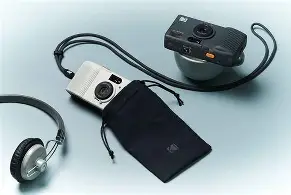
Pros & Cons
- Pros:
- Compact and portable—easy to slip into a pocket or small bag.
- User-friendly interface and mobile app workflow for quick sharing.
- Good for travel and casual immersive content creation.
- Typically lower cost of entry compared with aerial or professional rigs.
- Cons:
- Limited stabilization compared with gimbal systems and aircraft-based capture.
- Sensor and optical compromises compared with larger cameras; best in good light.
- Less flexibility for cinematic aerial perspectives or high-speed action shots.
- Post-processing options may be more limited or geared toward consumers.
Dji Avata 360 — Overview and Detailed Analysis
The Dji Avata line is known for delivering immersive, high-mobility capture—especially in the hands of creators who prefer dynamic aerial footage. The “360” designation in this context suggests a system or workflow that supports immersive viewpoints or 360-degree content capture from the air, combining drone mobility with creative perspective. Unlike a handheld 360 camera, a drone-based system introduces flight dynamics, remote control, and a fundamentally different set of operational considerations.
Real-world use cases for the Avata 360
- Action sports and adventure footage: delivering sweeping, cinematic views that move through and around subjects.
- Dynamic event coverage: aerial perspectives of large outdoor gatherings or performances.
- Location scouting and real estate aerials: giving a sense of property context and surroundings from above.
- Immersive cinematic content: when creators want an aerial POV that can be converted into immersive or VR-ready footage.
The Avata-style systems shine in scenarios where motion and vantage point matter. They offer uniquely cinematic results—tracking, orbiting, and fast shifts in perspective that are impossible from the ground. As a result, they appeal to buyers who want to push creative boundaries or need aerial context that a handheld 360 camera cannot provide.
Strengths and limitations
The primary strengths of drone-oriented 360 systems are mobility, dynamic framing, and the ability to capture large scenes from vantage points that add narrative or context. These systems also often offer advanced stabilization algorithms, higher capture bitrates, and richer telemetry metadata (useful for post-production and mapping).
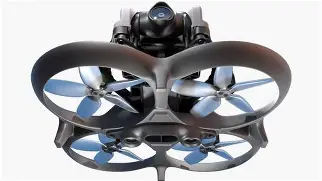
Limitations include the operational overhead of flight—battery-limited flight time measured in minutes, requisite regulatory awareness and compliance, and a steeper learning curve for new pilots. Noise and safety considerations can also restrict when and where aerial capture is feasible. Finally, the logistics of packing, transporting, and maintaining a drone system are greater than for a simple handheld camera.
Discover deals on Cameras & Photography — updated daily.
View Offers →Pros & Cons
- Pros:
- Unique aerial perspectives not achievable with handheld devices.
- Dynamic motion and cinematic possibilities for storytelling.
- Often pairs with advanced flight and stabilization technologies.
- Good for professionals and advanced hobbyists who value creative freedom.
- Cons:
- Operational complexity: piloting, regulations, and safety considerations.
- Shorter runtime per battery compared with handheld cameras’ continuous operation.
- Louder and less discreet than pocket-sized devices.
- Higher total cost when factoring accessories, spare batteries, and possibly insurance or registration.
Side-by-side Comparison
The table below summarizes the most relevant differences buyers typically consider. The entries are framed qualitatively to emphasize practical distinctions rather than precise numeric specs.
| Category | Kodak Snapic A1 | Dji Avata 360 |
|---|---|---|
| Type | Handheld 360-capable camera (consumer-focused) | Airborne capture system / drone with immersive 360 workflows |
| Primary use | Casual immersive photos & short video clips, social sharing | Cinematic aerial footage, action sports, dynamic POVs |
| Mobility | Highly portable, pocketable | Aerial mobility—requires space to operate and carry case |
| Stabilization | Electronic stabilization suitable for handheld use | Advanced flight stabilization and motion dynamics for smooth aerial footage |
| Ease of use | Very easy for beginners; plug-and-play on mobile | Moderate to advanced; requires piloting skills and setup |
| Operational constraints | No flight regulations; can be used nearly anywhere | Subject to drone regulations, no-fly zones, and weather |
| Typical runtime | All-day use on a charged spare battery setup (for photos & short videos) | Limited to battery flight time per sortie (minutes), multiple batteries recommended |
| Audio capture | Onboard microphone suitable for ambient sound | Onboard audio less relevant; wind and rotor noise usually require separate mics or post-production |
| Best for | Travelers, social creators, casual users | Filmmakers, adventure enthusiasts, drone hobbyists |
| Budget considerations | Lower entry cost; fewer ongoing costs | Higher initial and ongoing cost for accessories, batteries, and training |
Buying Guide: How to Choose Between the Two
Choosing between a compact 360 camera like the Kodak Snapic A1 and an aerial system such as the Dji Avata 360 depends on what a buyer intends to do with the footage and how much complexity they are willing to accept. Below are pragmatic factors to weigh when making a decision.
1. Intended use and creative goals
If the goal is to capture immersive stills and quick clips for social media, family albums, or casual travel memories, a pocketable 360 camera will be more convenient. For cinematic storytelling, sweeping landscapes, or action sports where the vantage point is integral to the narrative, an aerial system will produce a different class of imagery.
2. Portability versus perspective
Think about how often the device will be carried and whether discretion matters. A handheld 360 camera is easy to tak…3. Legal and safety considerations
Drones are regulated in many jurisdictions. If the buyer lives in or travels to areas with strict no-fly rules, or if they need to frequently capture content in crowded or sensitive places, a handheld camera avoids regulatory hurdles. Buyers who are willing to learn pilot rules and follow safety practices can benefit from the drone’s capabilities.
4. Learning curve and time investment
A handheld 360 camera generally requires very little training—users can start shooting within minutes. Drones require time to learn safe piloting, understand local regulations, and maintain the equipment (propellers, batteries, firmware updates). Consider whether the buyer wants a plug-and-play device or is prepared for ongoing skill development.
5. Budget and running costs
Compare not only the initial purchase price but also accessories and consumables. For drones, batteries, spare propellers, cases, and potential insurance or registration fees add to the long-term cost. Handheld cameras may require fewer accessories but factor in spare batteries, mounts, and any subscription-based editing apps.
Shop the latest Cameras & Photography picks on Amazon.
Shop Amazon →6. Stabilization and motion needs
For smooth footage in motion-heavy contexts (e.g., tracking athletes), the Avata-style airborne system will generally provide more cinematic movement. If stabilization for walking or handheld scenes is the priority, modern 360 cameras offer electronic stabilization that is excellent for casual use but may fall short for high-speed action.
7. Workflow and post-production
Consider the editing tools and file formats supported. Aerial systems are often integrated into more advanced workflows with raw capture, higher bitrates, and telemetry data that aid in post. Handheld 360 cameras frequently provide mobile-first editing with quick stitching and simple social exports. Buyers who plan extended editing should check compatibility with their software.
8. Environmental durability
Evaluate IP ratings and ruggedness. Drones have moving parts and can be more susceptible to wind and weather; many users choose to operate them in fair conditions only. Handheld cameras, depending on the model, may be more tolerant of incidental bumps and brief exposure to elements, but this varies by model.
Practical Recommendations by Buyer Type
To put the guidance above into concrete suggestions:
- Casual traveler or social-first creator: Lean toward a compact 360 camera. It minimizes friction and maximizes the chance content actually gets captured and shared.
- Adventure or action sports creator: If aerial POVs and dynamic motion are critical, choose the drone-based solution and budget time for training and multiple batteries.
- Real estate or location marketer: Use the handheld 360 for quick interior captures; complement with aerial footage (drone) when exterior or overall property context is required.
- Filmmaker or professional content creator: Consider the drone system for cinematic variety, while keeping a lightweight 360 device as a secondary camera for cutaway immersive perspectives.
Conclusion
The Kodak Snapic A1 and the Dji Avata 360 serve different needs despite both contributing to the world of immersive imagery. The Snapic A1 emphasizes portability, simplicity, and the immediacy of handheld 360 capture—ideal for users who want low-effort immersive photos and quick social content. The Avata 360—an airborne, motion-forward solution—delivers dynamic aerial perspectives and cinematic movement that appeal to creators focused on storytelling and unique vantage points, but it comes with higher operational complexity and regulatory considerations.
Ultimately, the right choice comes down to intended creative outcomes: prioritize convenience, ease-of-use, and everyday portability, and a consumer 360 camera is fitting; prioritize dynamic motion, aerial vantage, and cinematic possibilities, and a drone-based system is the better tool. Many creators find a hybrid approach—using a pocket 360 camera for spontaneous captures and a drone for planned, cinematic shoots—provides the best of both worlds.